
 Green Crack Auto from Seedsman | 24% THC | Sativa $ 90.36
Lot #1036. A set of Vintage Bone Xiangqi Pieces, (Chinese Chess)
Why Choose Kings Seedbank?
Free seeds with every order – plus one extra for every £25 spent
Free UK tracked delivery on all orders over £25
£3.50 tracked shipping with Evri on orders under £25
Secure and discreet packaging for your peace of mind
Fast checkout available via UK bank transfer
Bank statement will show RW Corporation Ltd for discretion
Pay securely by debit/credit card, crypto, or cash in-store
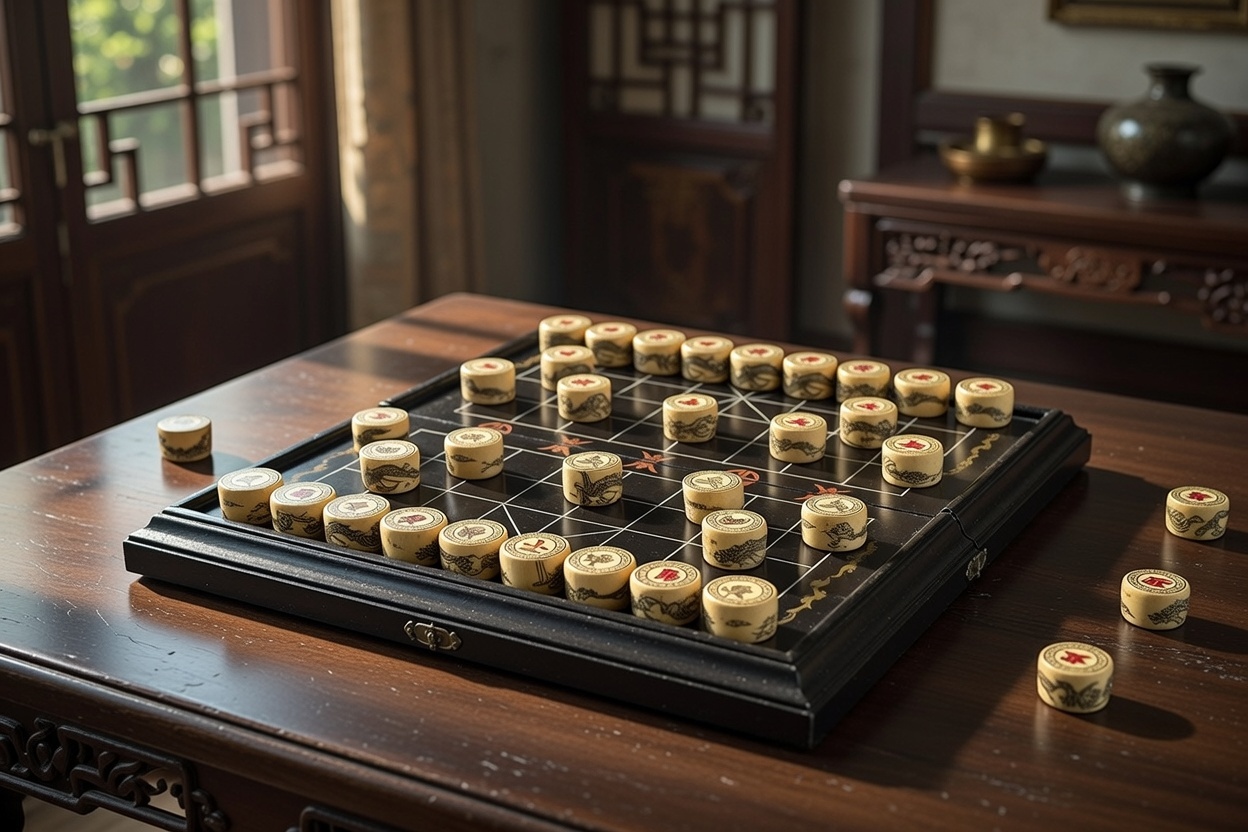
Description A set of Bone Xiangqi Pieces, (Chinese Chess or Xiang Qi). Offered here is a very rare set of Vintage Bone Xiangqi Pieces, also known as or Chinese Chess and Xiang Qi, produced around 1950. The 32 individual barrel-shaped chess pieces measure 1-3/8″ in diameter by 3/4″ thick. Each of the chessmen are identified by Chinese calligraphy engraved in red or black with penwork dragons and Phoenix on the sides. . The thick, barrel-shaped chessmen are extremely well turned and are in excellent condition. This Vintage Bone Xiangqi Chess Set includes the original Chinese black lacquered folding chessboard adorned with gold symbols and artwork. The chessboard, measures around 15″ square opened. Xiangqi is also known as Chinese chess. It is one of the oldest forms of chess and one of the most popular board games in China. It is related to Western Chess, Chaturanga, Shogi, Indian chess and Janggi. There are several differences between Xiangqi and Western Chess. The most significant are the new piece, the Cannon (pao), which must have a “screen” to capture; a rule forbidding the Kings (or Generals) from directly opposing each other; the ability to block the Knight, Pawn promotion; the river, which the Elephants can’t cross; and the Fortress or Palace, which confines the King and his advisors (Visors). https://chessantiques.com/wp-content/uploads/2026/01/generated_video-5.mp4 The battlefield is composed of 9 vertical lines (files) and 10 horizontal lines (ranks) with the pieces being played on the intersections. On the center of each edge of the board is the fortress or palace, which is 3 by 3 lines (9 points) with four diagonal lines that extend outward from the center forming an “X” shape. Dividing the two opposing sides of the board is a river, located between the fifth and sixth ranks. The river is often marked with the Chinese characters, 楚河 “Chǔ Hé” meaning “Chu River”, and 漢界 (汉界 in simplified Chinese), “Hàn Jiè”, meaning “Han border”, a reference to the Chu-Han War. Some boards have the starting points of soldiers marked with symbols.
Related products
Memory Card/Flash Drive, Minions Case, Military History
Select options This product has multiple variants. The options may be chosen on the product page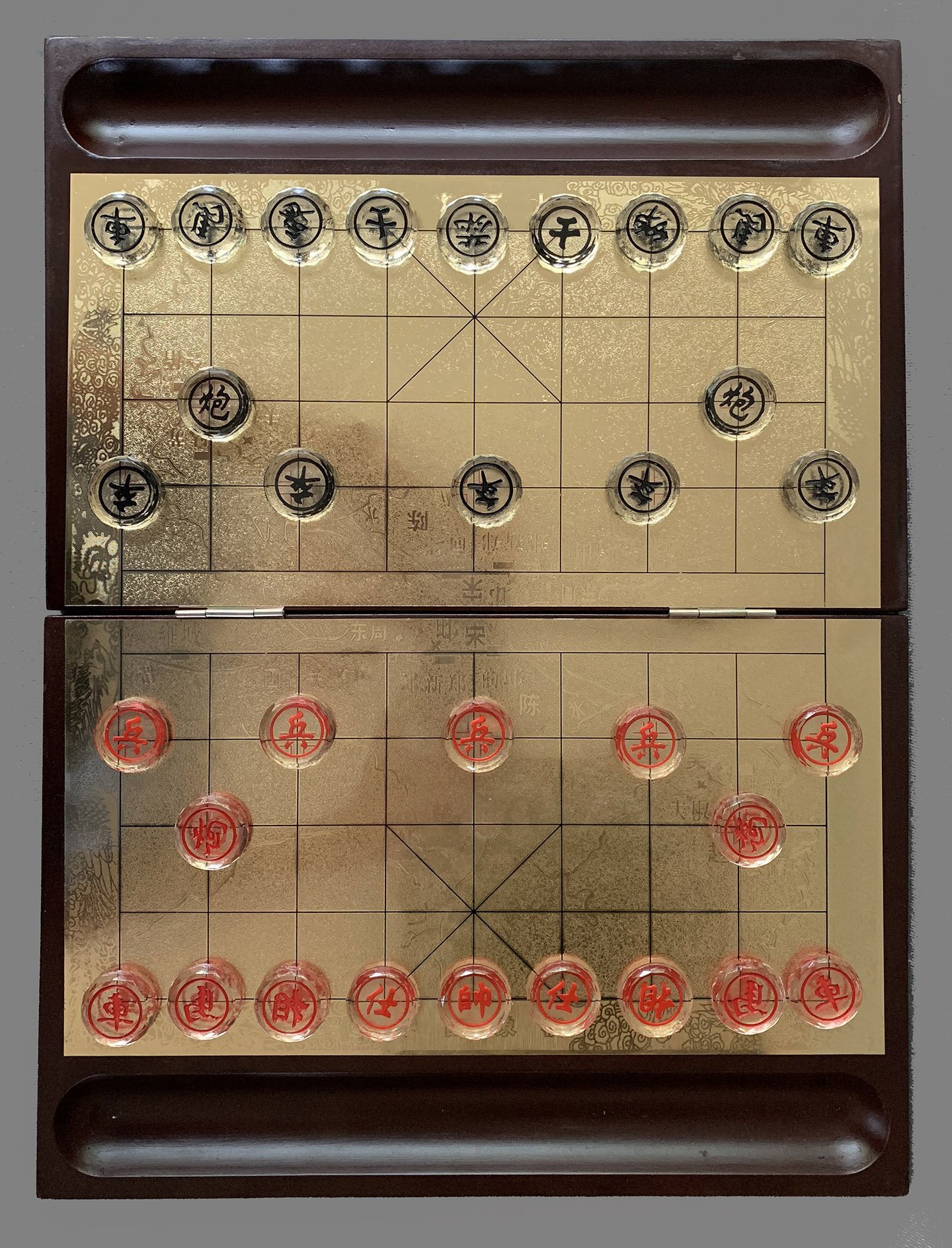
Old & Rare, Nikotino Druskos, , Minnie Mouse, Micro Onde Encastrable, Nasty Salt Brand, Night Wears
Select options This product has multiple variants. The options may be chosen on the product page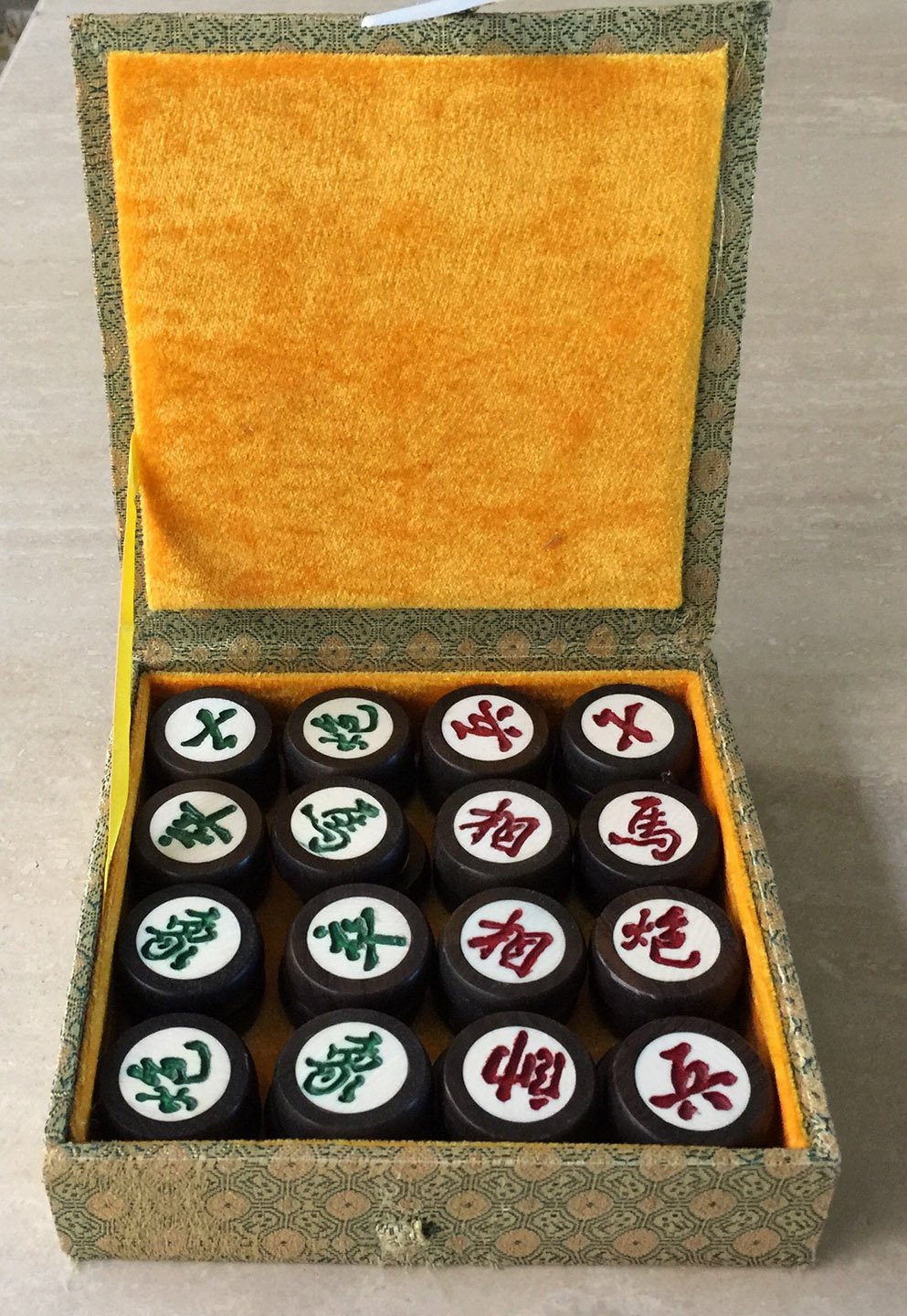
Musical & Activity, Other Microphones, Nuola Specials, Mugs Anime, Network Solutions, Mod S
Select options This product has multiple variants. The options may be chosen on the product page
Measurement Devices, Natural Home
Select options This product has multiple variants. The options may be chosen on the product page