

Cannabis terpenes are the natural aromatic compounds that give cannabis strains their distinctive smells, flavours, and overall character. From citrus and pine to earthy, floral, or spicy notes, terpenes are responsible for much more than just aroma — they play a key role in how different strains are experienced.
While cannabinoids like THC and CBD are often discussed, understanding terpenes in cannabis helps explain why two strains with similar cannabinoid levels can feel completely different.
This guide explains what cannabis terpenes are, how they work, and why terpene profiles matter when choosing cannabis genetics.
What Are Cannabis Terpenes?
Cannabis terpenes are organic compounds found in many plants, not just cannabis. They evolved to protect plants from pests, attract pollinators, and interact with their environment.
In cannabis, terpenes are produced in the same resin glands as cannabinoids and contribute to:
- Aroma and flavour
- The overall character of a strain
- The way a strain is commonly described (uplifting, relaxing, heavy, clear-headed, etc.)
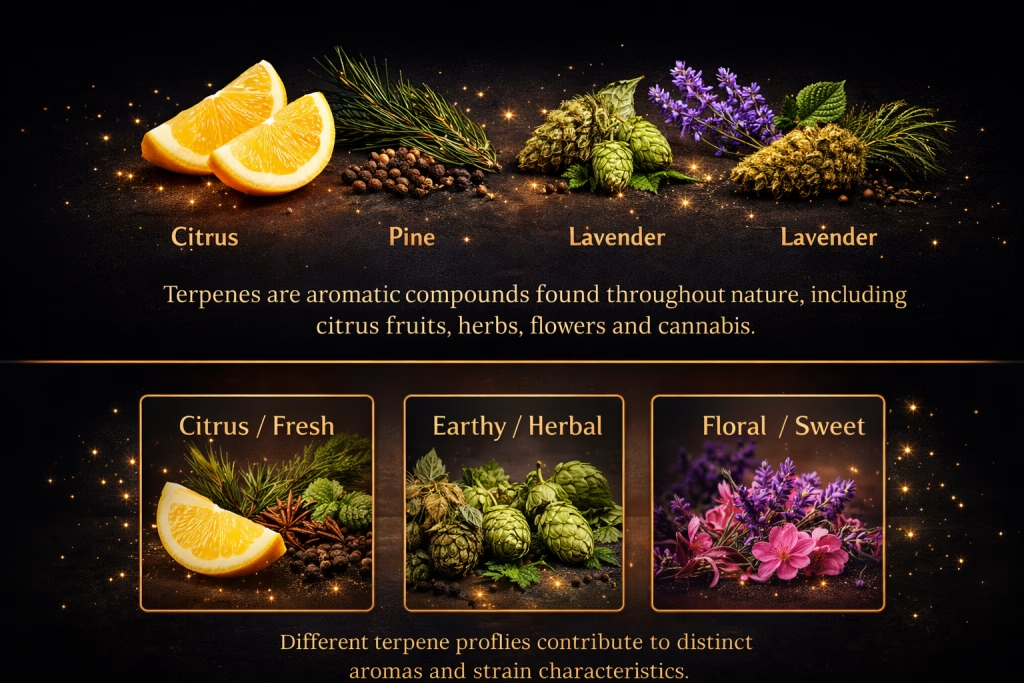
Terpenes are also found in foods and plants such as citrus fruits, lavender, pine needles, black pepper, and hops.
Why Cannabis Terpenes Matter
Cannabis terpenes matter because they help shape the overall experience of a strain. Two strains may have similar genetics or cannabinoid levels, yet feel very different due to their terpene profiles.
This is why modern strain descriptions often focus on cannabis terpene profiles rather than relying solely on labels like indica or sativa.
Terpenes influence:
- How a strain smells and tastes
- Whether it feels more uplifting or relaxing
- How “heavy” or “light” the experience is commonly reported to be
Terpenes vs Indica and Sativa
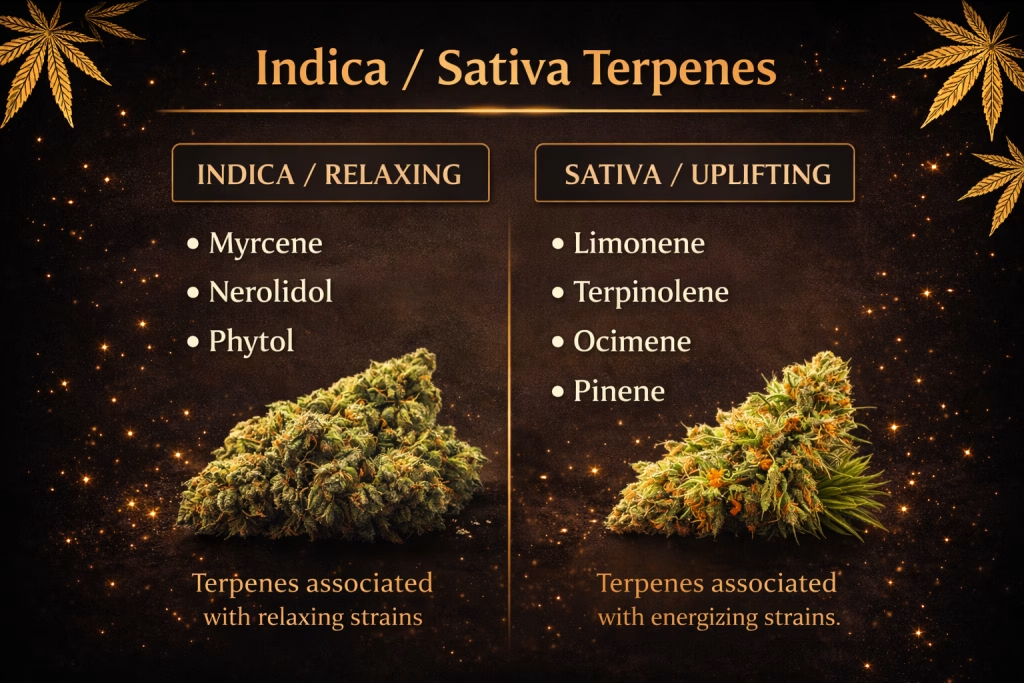
Traditionally, indica strains have been associated with more body-relaxing effects, while sativa strains are often described as uplifting or energising. These labels are still useful as a general reference, but on their own Indica V Sativa no longer tells the full story.
Modern cannabis genetics are far more complex. Years of selective breeding and cross-pollination have led to a market dominated by hybrid strains, blending indica and sativa lineages to create more refined and balanced profiles.
This is where terpenes in cannabis become especially important.
For example:
- Some strains labelled as sativa may feel uplifting at first, then become more relaxing later on
- Certain indica-leaning strains can feel mentally stimulating despite their reputation
- Many strains with very different genetics share similar effects because they contain overlapping terpene profiles
Rather than plant structure alone, cannabis terpene profiles help explain why strains feel the way they do — including how their effects may evolve over time.
Today, looking at terpenes alongside cannabinoids provides a more accurate way to understand what to expect from different cannabis strains.
Common Cannabis Terpenes and Their Characteristics
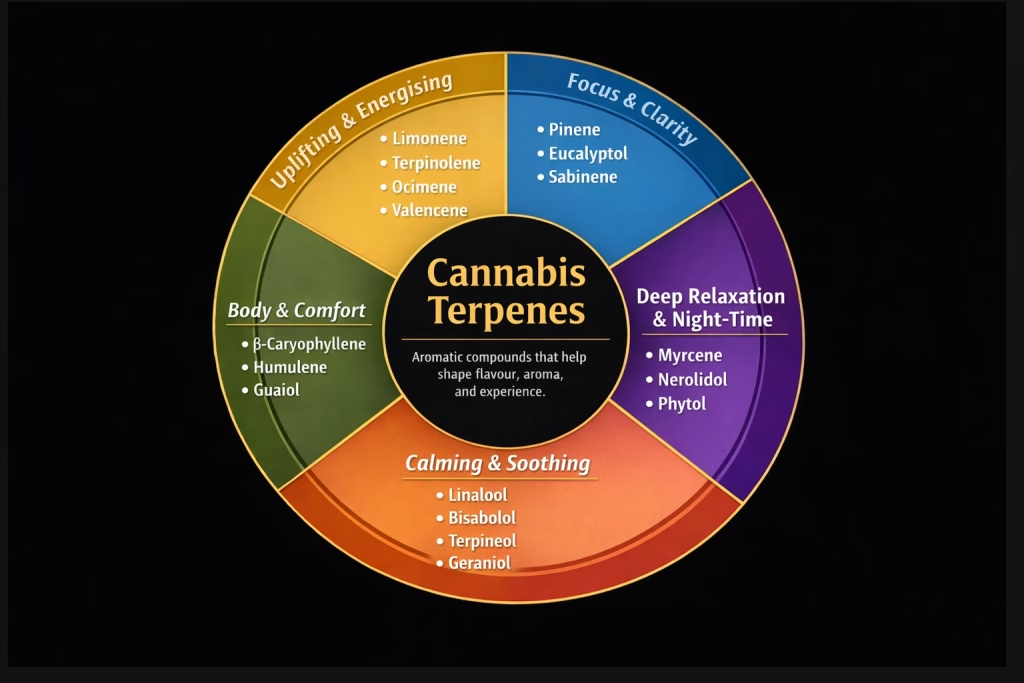
Below is an overview of the most common terpenes found across many popular marijuana strains.
Myrcene
Aroma: Earthy, musky, herbal
Commonly associated with:
- Deep relaxation
- Heavy, grounding effects
- “Couch-lock” descriptions at higher levels
Myrcene is one of the most abundant terpenes in cannabis and is often found in strains described as calming or evening-leaning.
Limonene
Aroma: Citrus, lemon, orange peel
Commonly associated with:
- Uplifted mood
- Light, cheerful effects
- A fresh, energetic character
vape juice wholesale prices | 626N450 fersken is LOST MARY MARYLIQ nic salter – 10ml – 20mg is popular in strains known for bright flavours and social or daytime appeal.
Caryophyllene (β-Caryophyllene)
Aroma: Peppery, spicy, woody
Commonly associated with:
- Physical comfort
- A grounded body feel
vape juice bottles wholesale | 626N459 trippel mango LOST MARY MARYLIQ nic salter – 10ml – 20mg is unique because it interacts with the body’s endocannabinoid system differently than other terpenes.
Pinene (Alpha & Beta)
Aroma: vape juice wholesale prices | 626N440 solbæreple LOST MARY MARYLIQ nic salter – 10ml – 20mg, fresh forest
Commonly associated with:
- Mental clarity
- Alertness
- A sharp, fresh sensation
Pinene-rich strains are often described as clear-headed or focusing.
Linalool
Aroma: Floral, lavender
Commonly associated with:
- Calmness
- Emotional soothing
- Gentle relaxation
Linalool is also found in lavender and is often linked to evening or wind-down profiles.
Humulene
Aroma: Earthy, woody, hoppy
Commonly associated with:
- Balanced, grounded effects
- Subtle physical relaxation
Humulene is also found in hops and often appears alongside caryophyllene.
Terpinolene
Aroma: Sweet, herbal, piney
Commonly associated with:
- Clear-headed uplift
- Creative or energetic descriptions
Terpinolene is less common but notable in certain uplifting or aromatic strains.
Ocimene
Aroma: Sweet, floral, citrus
Commonly associated with:
- Bright, lively character
- Light, upbeat effects
Ocimene contributes to fresh, sweet terpene profiles.
How Terpene Profiles Work Together
Terpenes rarely appear alone. Most cannabis strains contain multiple terpenes, which interact to create a combined profile.
This means:
- One terpene may dominate aroma
- Another may subtly influence how the strain feels
- Small changes in terpene balance can alter the overall experience
This combination effect is why they are so valuable when comparing cannabis strains.
Why Terpenes Are Important When Choosing Cannabis Strains
Understanding cannabis strain terpene profiles can help collectors and enthusiasts:
- Choose strains based on aroma and flavour preference
- Understand why certain strains feel similar
- Explore new genetics with confidence
Rather than focusing on a single factor, terpenes offer a fuller picture of what makes each strain unique.
Final Thoughts on Cannabis Terpenes
Cannabis terpenes are far more than just scent compounds. They are a key part of what makes each strain distinctive, shaping aroma, flavour, experience and character.
As cannabis genetics continue to evolve, terpene profiles have become one of the most reliable ways to understand and compare strains — offering insight beyond traditional labels.
Whether you’re exploring classic genetics or modern hybrids, paying attention to terpenes opens the door to a deeper appreciation of cannabis diversity.